Prices are estimates. How we get them
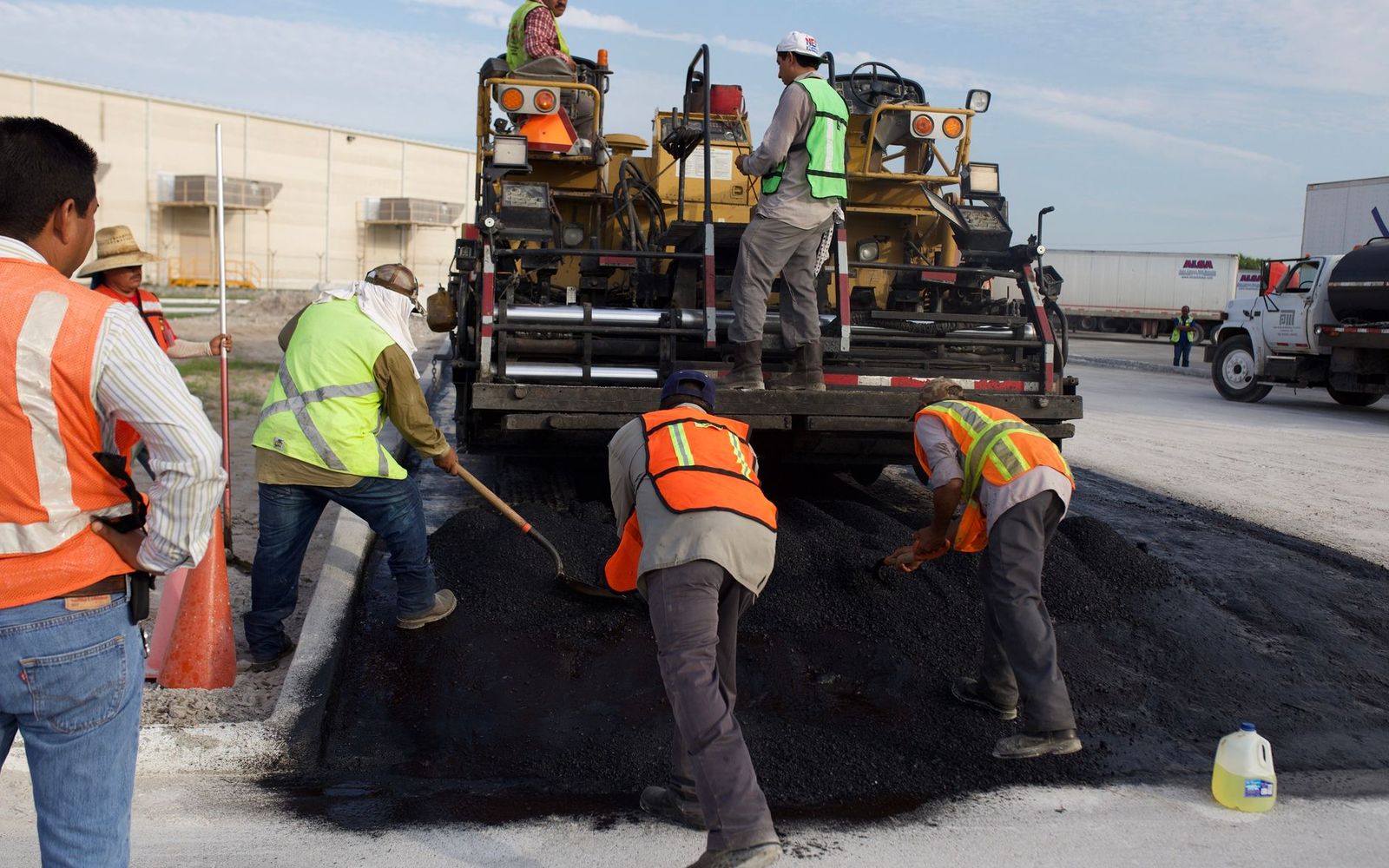
Serving Bloomington, Normal, Heyworth, and Le Roy with asphalt paving and sealcoating built to handle central Illinois conditions.
Call Get a free quoteBloomington sits on heavy clay soil left by glacial deposits thousands of years ago. That clay expands when wet and shrinks when dry, which puts constant pressure on driveways and parking lots. Local pros prep the base properly so your asphalt can handle the movement without cracking or sinking. The wrong base fails in a year or two, but proper excavation and compacted gravel make all the difference.
Our winters drop below zero and summers hit 90 degrees, creating dozens of freeze-thaw cycles every year. Water seeps into small cracks, freezes, expands, and breaks the pavement apart. Fresh asphalt needs time to cure before winter, and older driveways need sealcoating every few years to keep water out. Local pros time projects around the weather so the work holds up.
Most homes in neighborhoods like Pepper Ridge, Old Farm Lakes, and Hawthorne Hills were built between the 1980s and 1990s, which means driveways are hitting the 30 to 40 year mark. Patching works for small problems, but at some point a full replacement saves you money compared to constant repairs. Local pros look at what you have and tell you the honest option.
Local pros excavate, grade, and install new asphalt driveways with proper drainage and a compacted base. Clay soil in Bloomington requires at least 6 inches of crushed stone under the asphalt to prevent settling and cracking.
Old driveways with widespread cracking or low spots need full removal and replacement. Local pros haul away the old material, fix the base, and pour new asphalt that handles local freeze-thaw cycles.
Sealcoating every 3 to 5 years protects asphalt from sun, water, and salt damage. Local pros clean the surface, fill cracks, and apply two coats of commercial-grade sealer when temperatures are above 50 degrees.
Local pros pave and maintain commercial parking lots for businesses across McLean County. Proper drainage and thickness matter for truck traffic and Illinois weather.
Small cracks let water in, which freezes and causes bigger problems. Local pros rout out cracks and fill them with hot rubberized material that flexes with temperature changes.
Potholes and sunken areas get cut out, the base gets recompacted, and local pros patch with hot asphalt. Temporary cold patch fails quickly in our climate, so local pros use hot mix.
Clay soil and freeze-thaw cycles wreck poorly built driveways. Local pros prep bases to handle expansion, drainage, and temperature swings from 18 degrees in winter to 85 in summer.
Most driveway failures start below the surface. Local pros excavate deep enough, compact crushed stone in layers, and make sure water drains away instead of pooling under the asphalt.
Local pros tell you when patching works and when replacement makes more sense. A 35-year-old driveway with alligator cracking needs more than sealcoating, and local pros explain why.
Local pros have worked in Fox Creek, Pepper Ridge, Country Club Place, and neighborhoods throughout Bloomington and Normal. You can see finished projects nearby before you hire us.
Bloomington sits on the Bloomington Moraine, which is glacial till loaded with heavy clay. This clay doesn't drain well and expands when it absorbs water, then contracts when it dries out. Sugar Creek and other local waterways affect groundwater patterns, especially during spring snowmelt and summer storms that dump 4 to 5 inches of rain per month. Flat terrain means water doesn't run off quickly, so proper base drainage matters more here than in hilly areas. Local pros install bases that let water escape instead of sitting under your driveway and heaving during freeze-thaw cycles.
Central Illinois winters bring 20 to 30 freeze-thaw cycles between December and March, when temperatures swing from below zero at night to above freezing during the day. January lows average 15 to 19 degrees, and the area gets around 21 inches of snow per year. Ice storms and overnight freezes cause pavement cracking if water gets in. Most homes in subdivisions like Bloomington Heights, Pepper Ridge, and Old Farm Lakes were built between 1950 and 1995, so many driveways are due for replacement. The City of Bloomington requires permits for some paving work depending on scope, and local pros handle that paperwork when needed.
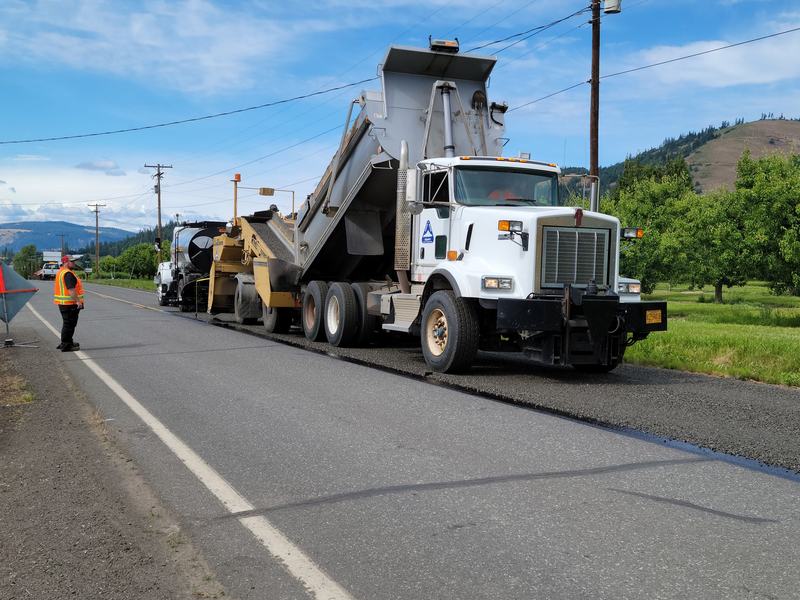
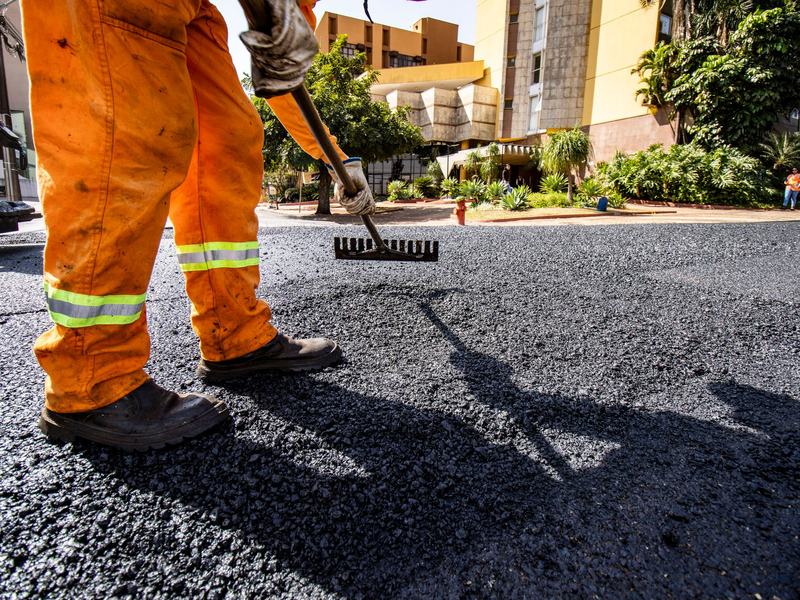
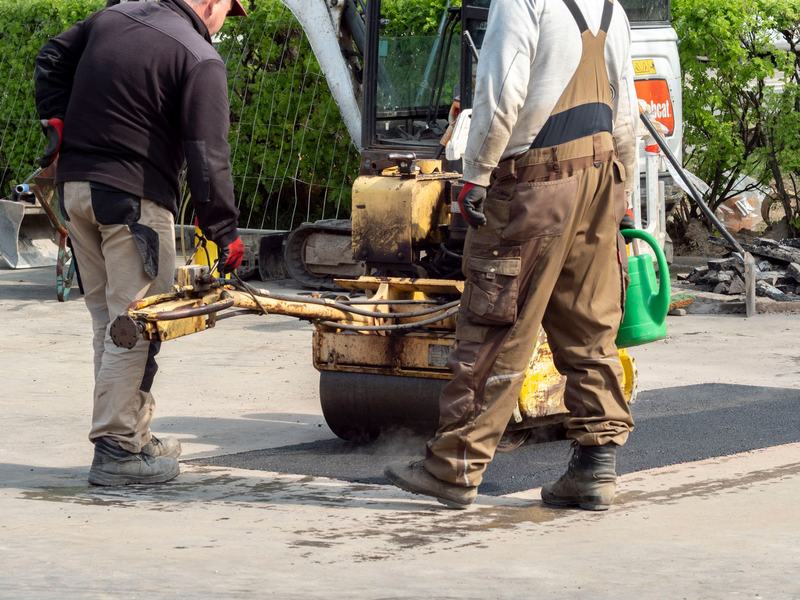
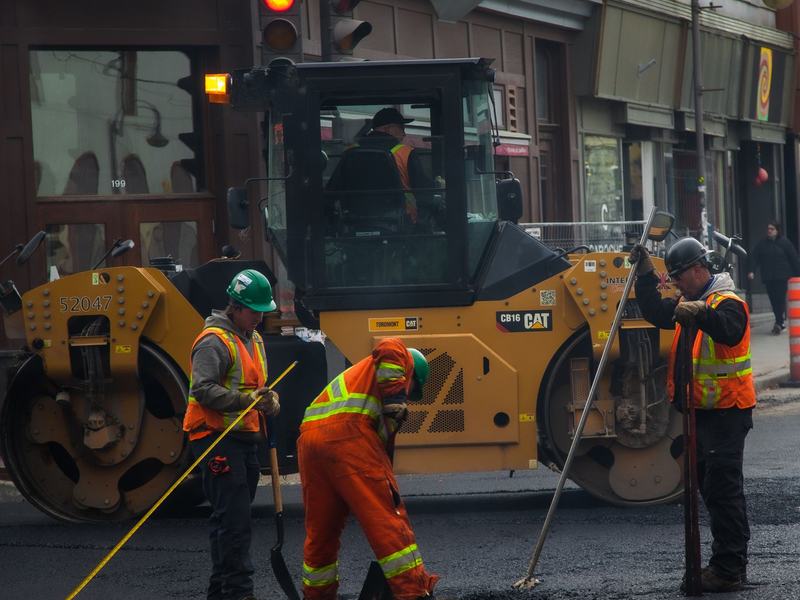
A typical residential driveway replacement in Bloomington runs between $3,500 and $8,000 depending on size, base work, and access. Small single-car driveways with good existing base cost less, while large two-car driveways that need full excavation and drainage fixes cost more. Sealcoating typically runs $0.15 to $0.25 per square foot, so a standard driveway costs $200 to $500 every few years. Crack filling and patching start around $300 to $800 depending on how much damage exists. Prices go up if the pro needs to remove old concrete, deal with poor drainage, or work around tight spaces. Parking lots and commercial work get quoted by the square foot after local pros look at thickness requirements and traffic patterns.
Based around Bloomington, Illinois, local pros also take jobs in these nearby towns. Put your town on the form and they will tell you right away if the pro can help.
Late spring through early fall works best, from May through September. Asphalt needs temperatures above 50 degrees to cure properly, and you want it to cure before the first freeze in October. Local pros avoid paving during spring thaw when the ground is still unstable from winter.
A properly installed driveway lasts 20 to 30 years in Bloomington if you sealcoat it every 3 to 5 years and fix small cracks before they spread. The freeze-thaw cycles and clay soil wear on driveways faster than in milder climates, so maintenance matters.
Heavy clay soil expands and contracts with moisture, and freeze-thaw cycles force water into small cracks where it freezes and breaks the asphalt apart. Poor drainage and thin bases make it worse. Proper base prep and sealcoating prevent most cracking.
Some projects require permits from the City of Bloomington depending on the scope of work and whether you're changing drainage patterns. Local pros check with the city and handle permit paperwork when needed so the job stays compliant.
Sometimes, if the existing asphalt is stable and less than 4 inches thick total. If the base has failed or the old asphalt is badly cracked and sunken, local pros need to remove it and start fresh. Local pros inspect and tell you which option makes sense.
You can drive on it carefully after 24 to 48 hours in warm weather, but avoid sharp turns and heavy loads for the first week. Full curing takes several months, so wait at least 6 months before sealcoating new asphalt.
Tell us what you need and where. We usually reply within one business day. A photo helps a local pro give you a faster, more accurate quote.
No obligation and no pressure.
Bloomington Asphalt Pros is an independent referral service that connects you with local paving contractors.
Open this site on your phone

Bloomington Asphalt Pros
pavingbloomington.us
Point your phone camera at the code